
 English
 Español
 Portugues
 Pусский
 Français
 한국어
한국어 العربية
 Italiano
 Svenska
 Polski
 ไทย
ไทย Türk dili
 हिन्दी
 Tiếng Việt
 中文
中文 dansk
dansk қазақ
қазақ বাংলা
বাংলা فارسی
فارسی українська
 беларускі
 Suomalainen
 o'zbek
 Србија
 پښتو
پښتو საქართველოს
 Shqipëria
 Afrikaans
 Kikongo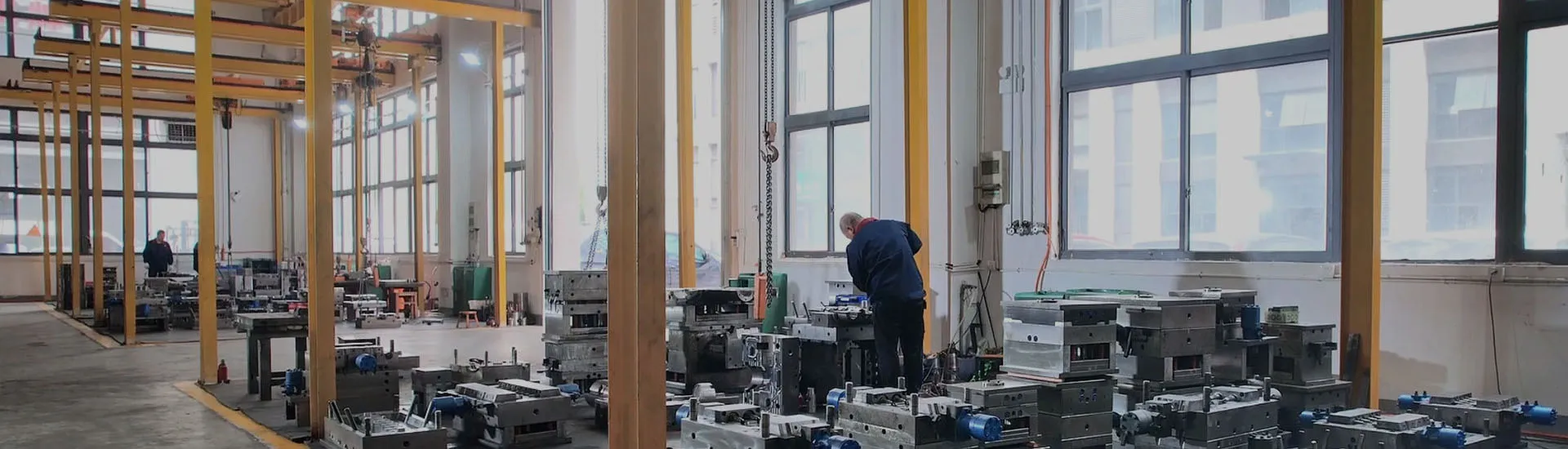
Cpvc-Form
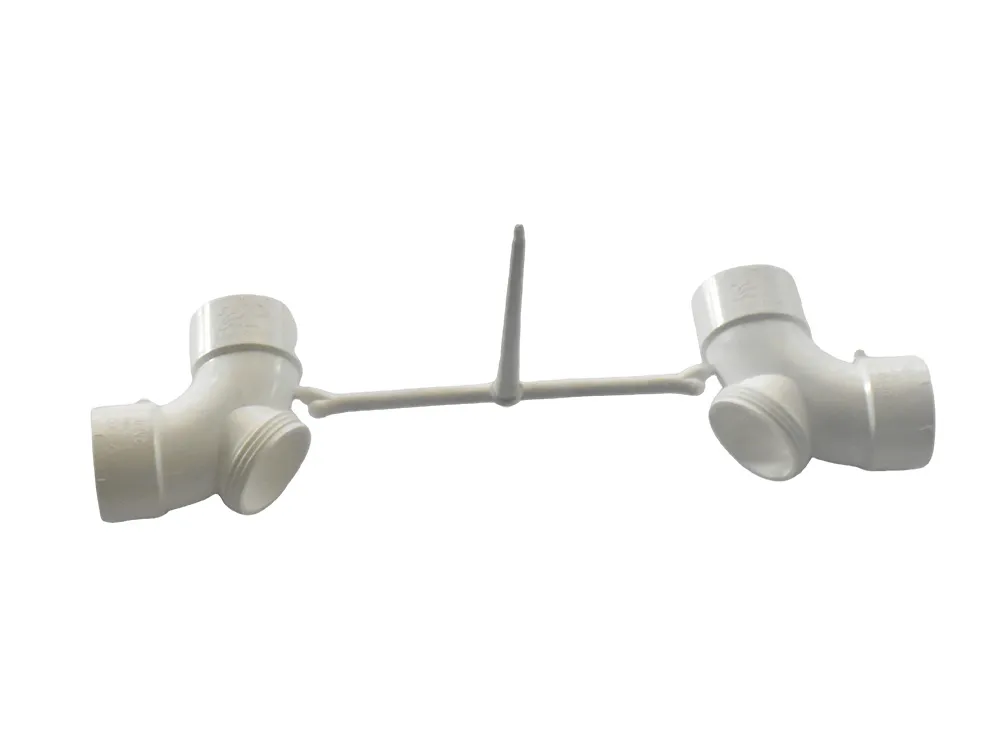
CPVC Mould: A Comprehensive Overview CPVC (Chlorinated Polyvinyl Chloride) moulds are specialized tools used in the manufacturing of CPVC components through processes like injection moulding, extrusion, or blow moulding. CPVC is a thermoplastic known for its superior heat resistance, chemical stability, and mechanical strength compared to standard PVC, making it ideal for high-temperature applications such as piping systems, fittings, and industrial equipment. The moulds used to shape CPVC must meet stringent requirements to ensure precision, durability, and efficiency in production. Material and Design Considerations CPVC moulds are typically made from high-grade steel or aluminum alloys to withstand the high temperatures (up to 200°C or more) and pressures involved in processing CPVC. The mould design must account for CPVC’s unique properties, including its higher melt viscosity and thermal expansion. Key features include: - Corrosion-resistant surfaces: CPVC releases hydrochloric acid during processing, necessitating hardened or coated mould surfaces to prevent degradation. - Precision cooling channels: Efficient cooling is critical to minimize cycle times and prevent warping due to uneven shrinkage. - Venting systems: Proper venting prevents trapped gases, which can cause defects like burns or incomplete filling. Manufacturing Process The production of CPVC moulds involves CNC machining, EDM (Electrical Discharge Machining), and polishing to achieve tight tolerances and smooth finishes. Advanced simulation software is often used to optimize flow paths and minimize material waste. Applications CPVC moulds are widely used to produce: - Plumbing fittings: Elbows, tees, valves, and couplings for hot-water systems. - Industrial components: Chemical-resistant pipes, tanks, and valves. - Electrical conduits: Fire-retardant cable housings. Advantages of CPVC Moulds - Longevity: Durable materials and coatings extend mould life. - High precision: Ensures consistent part quality. - Cost-efficiency: Optimized designs reduce material waste and energy consumption. Challenges - High initial cost: Precision tooling requires significant investment. - Maintenance: Regular cleaning and anti-corrosion treatments are essential. Conclusion CPVC moulds play a vital role in producing high-performance CPVC products. Their robust design, material resilience, and precision engineering make them indispensable in industries requiring heat- and chemical-resistant components. Continuous advancements in mould technology further enhance their efficiency and application scope. (Word count: 500)
Produkt
Kategorie:
CPVC-Rohrverbindungsform
-
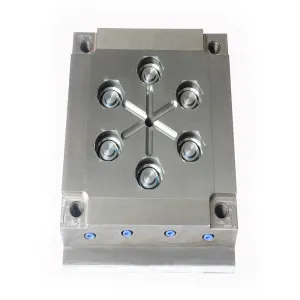
CPVC-Kappen-Rohrverbindungsform
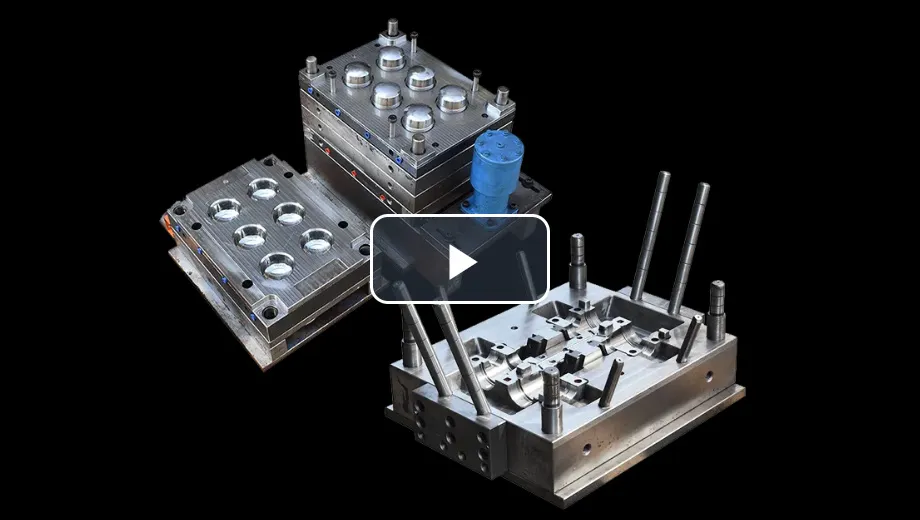
Ihre Klassifizierung: CPVC-RohrverbindungsformAnsichten: 688Nummer:Veröffentlichungszeit: 2025-09-16 23:30:35Hohlräume: 6 Hohlräume Struktur: Motor Material: CPVC Formstruktur: Kaltkanal-Schieberstruktur Hohlraum-/Kernstahl: 2316 oder 4cr13 für Hohlraum und Kern Härte des Kerns/Hohlraums: HRC 40–45 Grad Spritzgießmaschine: 250T -
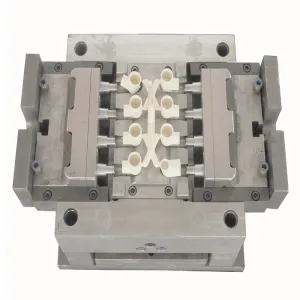
CPVC-Reduziermuffen-Rohrverschraubungsform
Ihre Klassifizierung: CPVC-RohrverbindungsformAnsichten: 639Nummer:Veröffentlichungszeit: 2025-09-16 23:31:16CPVC-Reduziermuffen-RohrverschraubungsformArtikelname:CPVC-Kappen-RohrverbindungsformHohlräume: 8 HohlräumeMaterial: CPVCFormstruktur: Geneigte FührungssäulenstrukturHohlraum-/Kernstahl: 2316 oder 4cr13 für Hohlraum und KernHärte des Kerns/Hohlraums: HRC 40–45 Grad nach VakuumwärmebehandlungSpritzgießmaschine: 250T F: Welche Prozesse gibt es bei der Verarbeitung von Rohrverbindungsformen?Im Allgemeinen umfassen die Bearbeitungsverfahren für die Bearbeitung von Rohrverbindungsformen CNC-Fräsen, EDM, WEDM, Präzisionsschnitzen, Bohrmaschine, Schleifmaschine usw. Je nach Kundenwunsch sind die Be... -
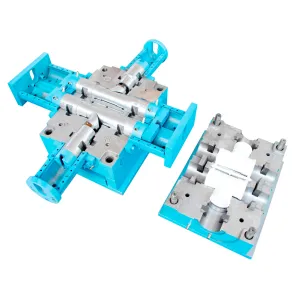
Form für CPVC-T-Rohrverschraubungen
Ihre Klassifizierung: CPVC-RohrverbindungsformAnsichten: 474Nummer:Veröffentlichungszeit: 2025-11-08 10:24:30Form für CPVC-T-RohrverschraubungenFormname:Form für CPVC-T-RohrverschraubungenHohlraum: 2 HohlräumeFormgröße: 50–75 mmFormstahl: Deutschland 2316, China 2316 oder 4cr13 für Hohlraum und KernTor: direktes TorFormstruktur: Winkelstift Härte des Kerns/Hohlraums: HRC 40–45 °Grad nach VakuumwärmebehandlungSpritzgießmaschine: 250 T Taizhou Huangyan Hong Jin Mold Co., Ltd wurde 2002 gegründet. Wir sind seit mehr als 23 Jahren professionell in der Entwicklung und Herstellung von Rohrverbindungsformen.Wir freuen uns auf eine lange Zusammenarbeit mit Ihnen.Im Folgenden finden Sie die wichtigsten Inform...
Nachrichten
Kategorie:
-
[industry news]Trend der Rohrverschraubung
2024-05-30 17:20:18
Fall
Kategorie:
Video
Kategorie:
Herunterladen
Kategorie:
Keine Suchergebnisse!
Rekrutierung
Kategorie:
Keine Suchergebnisse!
Empfohlene Produkte
Keine Suchergebnisse!




 WhatsApp
 Telefon